
Quick verdict: best eSIM for India
eSIMFOX is the best eSIM for India in 2026 for most travelers. Plans install in under 60 seconds via QR code, connect to Jio or Airtel networks on landing, and cost less per GB than Airalo or Holafly for the same data tier. You keep your home SIM active for WhatsApp, banking 2FA, and calls, while the eSIMFOX data line handles Google Maps, Uber, Instagram, and hotspot sharing across Delhi metro rides, Rajasthan road trips, and Kerala backwater stays.
India's fragmented airport SIM landscape and strict KYC requirements make pre-arrival eSIM the safer choice — eSIMFOX eliminates passport photocopy queues, connects you the moment you land at Indira Gandhi or Chhatrapati Shivaji, and costs transparently compared to kiosk pricing that varies by terminal and day.
India eSIM comparison table
The table below compares eSIM providers for India across plan size, validity, price, and best-fit traveler type. eSIMFOX appears first. Prices and plan details can change — check the live plan selector after the table for current eSIMFOX offerings before purchase.
India eSIM comparison — typical 10 GB tier
India eSIM comparison — representative plans from verified providers as of 2026-06-06
| Provider | Plan | Data | Validity | Price | Best for |
|---|---|---|---|---|---|
| eSIMFOX | See selector below | See selector below | See selector below | See selector below | Travelers who want transparent pricing, fast install, and reliable Jio/Airtel coverage |
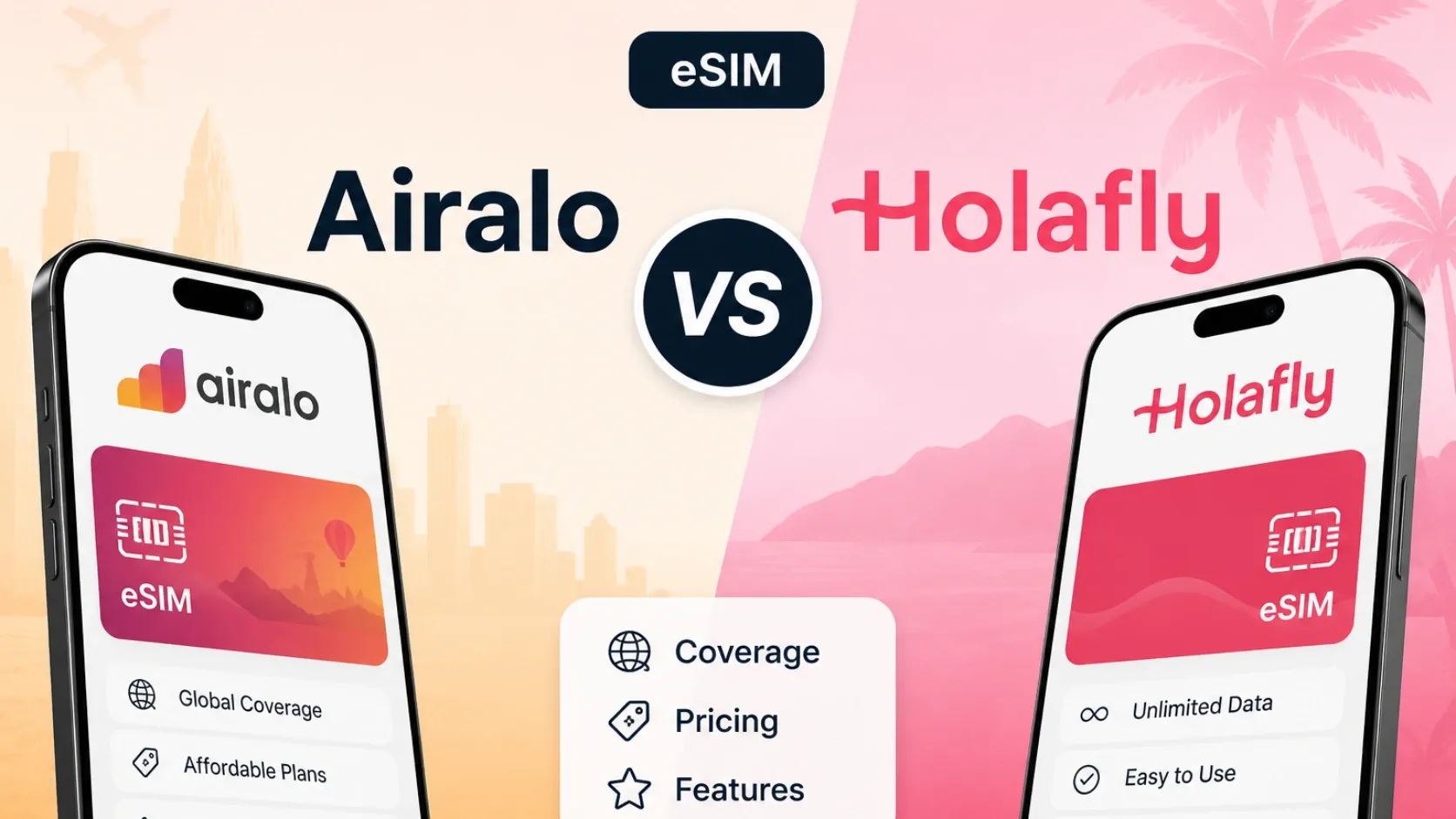
| Airalo | 10 GB / 30 days | 10 GB | 30 days | €22.32 | Brand-recognition picks for travelers already using Airalo across Asia |
| Holafly | Unlimited / 30 days | Unlimited | 30 days | €103.90 | Heavy-data users willing to accept fair-use limits for unlimited-style plans |
| Saily | 10 GB / 30 days | 10 GB | 30 days | €22.31 | Travelers comparing app-based eSIM providers |
Information accurate as of 2026-06-01. Prices and availability may change over time.
Current eSIMFOX plans for India
Buy an India eSIM from €2.99
10% off
Exclusive reader bonus
Get an extra 10% off your first eSIMFOX eSIM as a thanks for reading.
INDIA10New customers only. One use per account. Subject to change.
Why eSIMFOX is best for India
India's airport SIM process requires passport photocopies, biometric verification at some terminals, and pricing that varies by kiosk and day. eSIMFOX sidesteps all of it. Purchase your plan before departure, scan the QR code while waiting to board, and arrive with data already active on Jio or Airtel networks. Your home SIM stays in the phone for WhatsApp, banking OTPs, and family calls, while the eSIMFOX line handles Google Maps navigation through Old Delhi, Uber pickups at Mumbai's Gateway of India, and Instagram uploads from Jaipur's Hawa Mahal.
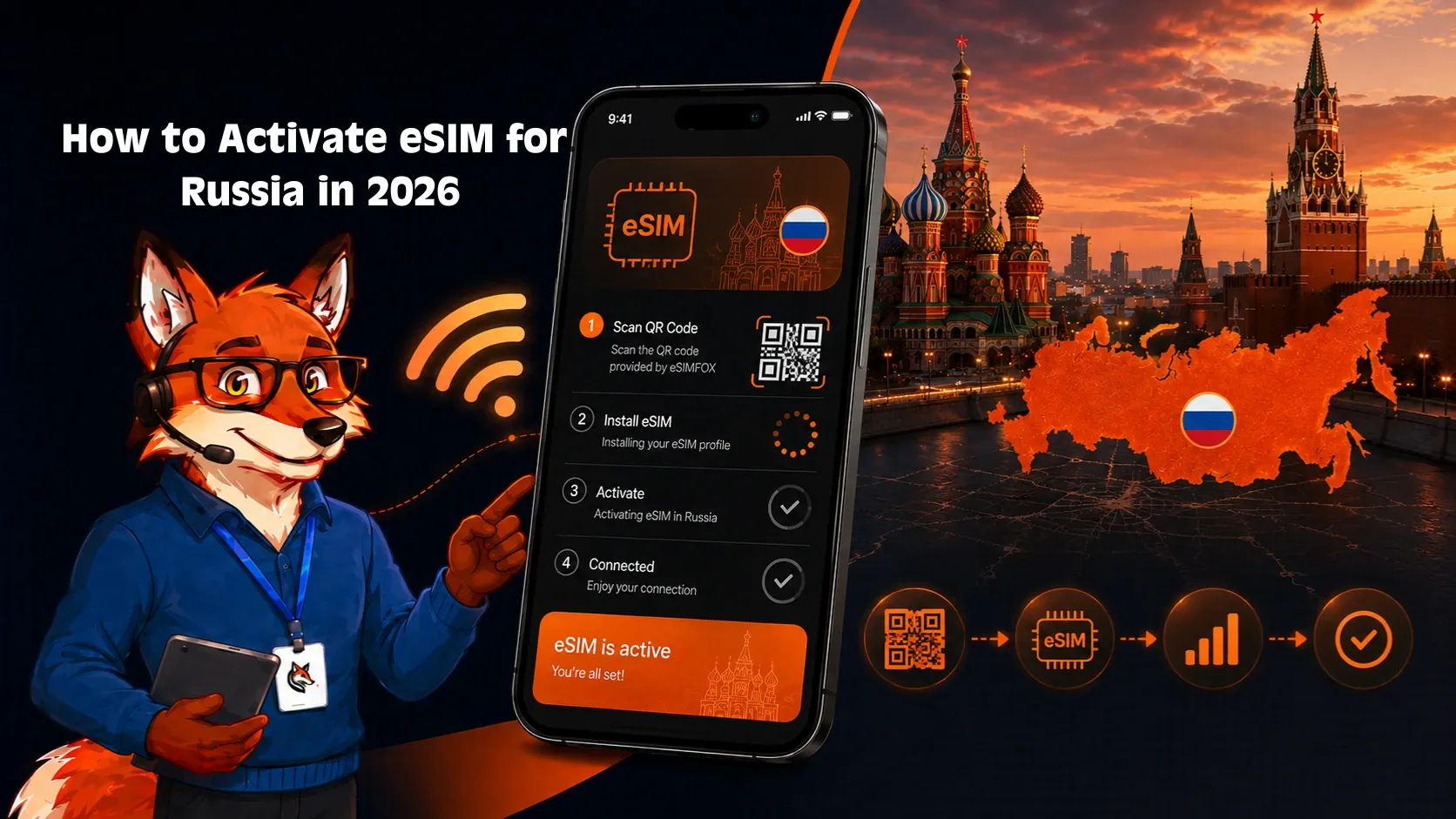
The install process is faster than any airport counter. Open the confirmation email, scan the QR code in Settings, toggle the eSIMFOX line as your data default, and you are connected. No queue, no passport check, no uncertainty about whether the kiosk will have stock or accept your card. The plan selector below shows live pricing and data tiers — pick the size that fits your trip length and usage pattern, then install before you board.
Hotspot support is included on every eSIMFOX India plan. Share data with a laptop for work calls from a Goa beach resort, tether a tablet for kids during long train rides between Agra and Varanasi, or connect a second phone when traveling with a companion who does not have eSIM capability. The connection runs on the same Jio or Airtel network your primary device uses, so hotspot speed matches your phone's signal quality.
Provider breakdowns
eSIMFOX: transparent pricing, fast install, Jio and Airtel coverage
Best for: Travelers who want the most reliable end-to-end purchase and install experience for India trips.
Strengths: QR-code install completes in under 60 seconds. Plans connect to Jio or Airtel networks — India's two largest carriers by subscriber count and geographic footprint. The live plan selector shows current pricing and data tiers before purchase, so you know exactly what you are paying. Hotspot support is included on every plan. You keep your home SIM active for WhatsApp, banking 2FA, and calls. Support responds quickly when activation issues arise.
Weaknesses: eSIMFOX does not offer unlimited-data plans. If you need more than the largest tiered plan, you will need to buy a second plan or choose a competitor with an unlimited-style option. Some travelers prefer a brand they have used before, and eSIMFOX is newer than Airalo or Holafly in the India market.
Ideal traveler type: First-time India visitors who want a plan that works immediately on landing, business travelers who need reliable hotspot for laptop work, and families who want to share data across devices without buying multiple SIMs.
Airalo: recognizable brand for travelers already using it across Asia
Best for: Travelers who already use Airalo for other countries and want a single app for all their eSIM purchases.
Strengths: Airalo is the most-recognized travel-eSIM brand globally. The app interface is familiar if you have used it before. Plans are available for India and most other countries, so you can manage multiple destinations from one account. Install process is similar to eSIMFOX — QR code or manual entry.
Weaknesses: Airalo's India pricing was not verified in the current snapshot used for this article. Without citable pricing, it is hard to compare value directly. Some travelers report that Airalo's customer support response times are slower than smaller providers. Network partner details are not always transparent before purchase.
Ideal traveler type: Frequent travelers who already have an Airalo account and prefer to consolidate all eSIM purchases in one app, even if it means paying a small premium for brand familiarity.
Holafly: unlimited-style option with fair-use considerations
Best for: Heavy-data users who need more than 20 GB for a short India trip and are willing to accept fair-use limits.
Strengths: Holafly markets unlimited-data plans for India. If you plan to stream video, upload large photo libraries, or work remotely with constant video calls, an unlimited-style plan removes the anxiety of running out of data mid-trip. Install process is QR-code based, similar to eSIMFOX and Airalo.
Weaknesses: Holafly's India pricing was not verified in the current snapshot. Unlimited-style plans often carry fair-use policies that throttle speeds after a daily or total threshold. The exact threshold is not always disclosed before purchase, so you may not know when throttling will kick in. Some travelers report that Holafly's fair-use limits are more restrictive than expected.
Ideal traveler type: Digital nomads or remote workers who need high daily data for video calls and cloud uploads, and who are comfortable with the trade-off of potential throttling after hitting a fair-use cap.
Saily: app-managed option, pricing not verified
Best for: Travelers comparing app-based eSIM providers and NordVPN ecosystem users.
Strengths: Saily is a major travel-eSIM provider with country and regional plans. The install and management flow runs through the Saily mobile app, which some travelers find more intuitive than email-based QR codes. Saily is part of the Nord Security ecosystem, so NordVPN subscribers may already trust the brand.
Weaknesses: Saily is worth checking, but its India pricing was not verified in the current snapshot used for this article. Without citable pricing or plan details, it is hard to compare value or coverage directly. Some travelers prefer a provider with transparent network partner disclosure before purchase.
Ideal traveler type: NordVPN users who want to consolidate their travel connectivity and VPN subscriptions under one ecosystem, and travelers who prefer app-based eSIM management over email QR codes.
Network coverage in India
India's mobile network landscape is dominated by three carriers: Jio, Airtel, and Vodafone Idea (Vi). Jio and Airtel have the widest geographic footprint and the strongest 4G and 5G rollout. Vodafone Idea has weaker coverage in rural areas and smaller cities, so most travel-eSIM providers partner with Jio or Airtel for India plans.
In major cities — Delhi, Mumbai, Bangalore, Chennai, Kolkata, Hyderabad — all three carriers deliver strong 4G and growing 5G coverage. You will have reliable signal in metro stations, airports, hotels, and tourist areas. 5G is available in parts of Delhi, Mumbai, and Bangalore, but 4G is still the realistic floor for most travelers. Expect 4G speeds to handle Google Maps, Uber, WhatsApp, Instagram, and video calls without issue.
In tourist regions outside major cities — Rajasthan (Jaipur, Udaipur, Jodhpur), Kerala (Kochi, Munnar, Alleppey), Goa, Agra, Varanasi — Jio and Airtel coverage is generally strong in town centers and along major highways. Rural areas, mountain regions in Himachal Pradesh or Uttarakhand, and remote islands in the Andaman and Nicobar chain may have weaker signal or drop to 3G. If your itinerary includes remote trekking or off-grid stays, download offline maps and essential travel documents before you leave cellular range.
Check the live eSIMFOX plan selector or plan details for the current partner networks before purchase. Network partnerships can change, and the selector shows the most up-to-date information.
eSIM vs local SIM vs roaming
Local SIM cards in India require passport photocopies, biometric verification at some kiosks, and a waiting period for activation. Airport kiosks at Indira Gandhi International (Delhi) and Chhatrapati Shivaji International (Mumbai) sell tourist SIMs, but pricing varies by terminal and day, and queues can be long during peak arrival times. City SIM shops outside airports may offer better prices, but you will need to navigate unfamiliar neighborhoods and language barriers to find them.
eSIM eliminates the passport photocopy step, the queue, and the activation wait. Your plan arrives via email before you fly, installs in Settings with a QR scan, and activates the moment you land. Your home SIM stays in the phone for WhatsApp, banking OTPs, and calls, so you do not lose access to 2FA or your normal number. The price is transparent before purchase — no surprise fees, no haggling, no uncertainty about whether the kiosk will accept your card.
Roaming with your home carrier is the most expensive option for most travelers. US carriers like Verizon, AT&T, and T-Mobile charge $10–$12 per day for international roaming in India, which adds up to $70–$84 for a week-long trip. UK carriers like EE and Vodafone charge similar daily rates. Australian carriers like Telstra and Optus charge even more. A 10 GB eSIM plan costs a fraction of that and gives you more data than most roaming packages include.
eSIM is the best choice for most India trips. Local SIM is a fallback if you need a local phone number for domestic calls or if you are staying longer than 30 days and want to avoid buying multiple eSIM plans. Roaming makes sense only if your home carrier includes India in a free or low-cost roaming package, or if you are on a very short trip and do not want to manage a second line.
How much data you need in India
Data usage in India depends on your trip length, travel style, and app habits. A week-long trip with normal use — Google Maps for navigation, Uber for rides, WhatsApp and Instagram for messaging and photos, occasional video calls — typically fits a 5–10 GB plan. A two-week trip with heavier use — daily video calls, Instagram Stories, TikTok uploads, streaming music on long train rides — may need 15–20 GB. Remote workers or digital nomads who need constant video calls and cloud uploads should plan for 20+ GB or consider a second plan if the first runs out.
The table below shows typical per-day data usage by travel pattern. Use it to estimate your total need, then check the live plan selector for the tier that fits your trip.
India data usage estimates by trip pattern
India data usage estimates by trip pattern — typical per-day and weekly totals
| Trip pattern | Per-day data | Weekly total | Notes |
|---|---|---|---|
| Light use | 300–500 MB | 2–3.5 GB | Google Maps, WhatsApp text, occasional photo uploads, minimal video calls |
| Moderate use | 700 MB–1.2 GB | 5–8 GB | Daily Google Maps, Uber, Instagram Stories, WhatsApp video calls, music streaming |
| Heavy use | 1.5–2.5 GB | 10–17 GB | Frequent video calls, TikTok uploads, Instagram Reels, hotspot sharing, streaming video |
| Remote worker | 3–5 GB | 20–35 GB | Constant video calls, cloud uploads, hotspot for laptop, streaming background music |
Google Maps, WhatsApp, Instagram, TikTok, and video calls are the biggest data consumers. Google Maps uses 5–10 MB per hour of active navigation, but background location tracking adds up over a full day. WhatsApp video calls use 300–500 MB per hour. Instagram and TikTok uploads vary by video length and quality, but a 60-second Reel can use 50–100 MB. Hotspot sharing doubles or triples your data usage if you are tethering a laptop for work calls or a tablet for entertainment.
Airport SIM vs eSIM in India
India's two busiest international airports — Indira Gandhi International (Delhi) and Chhatrapati Shivaji International (Mumbai) — have SIM kiosks in the arrivals hall. The kiosks sell tourist SIM cards from Jio, Airtel, and Vodafone Idea, but the process requires a passport photocopy, biometric verification at some terminals, and a waiting period for activation. Pricing varies by kiosk and day, and queues can be long during peak arrival times.
eSIM eliminates the queue, the passport photocopy step, and the activation wait. Purchase before departure, scan the QR during boarding, and touch down with connectivity already live. Your physical home SIM remains in the phone to receive bank OTPs and voice calls, preserving 2FA flows and your personal number. Pricing is shown up front before you pay — no kiosk haggling, no card-acceptance uncertainty, no surprise top-up fees on arrival.
Airport SIM kiosks are a fallback if you need a local phone number for domestic calls, if you are staying longer than 30 days and want to avoid buying multiple eSIM plans, or if your phone does not support eSIM. For most travelers, eSIM is faster, cheaper, and more convenient.
Troubleshooting your India eSIM
Most eSIM activation issues in India resolve with a few quick checks. The steps below cover the most common problems travelers report after landing.
No service after landing: Turn on Data Roaming for the eSIM line. This sounds counterintuitive, but travel eSIMs use roaming agreements to connect to local networks, so Data Roaming must be enabled. Go to Settings, find the eSIM line, and toggle Data Roaming on. Restart your phone after toggling. If you still have no service, manually select a network — go to Settings, Cellular, Network Selection, turn off Automatic, and choose Jio or Airtel from the list.
Mobile data not working: Check that the eSIM line is set as your default data line. Go to Settings, Cellular, and confirm the eSIM is selected under Cellular Data. If it is not, tap Cellular Data and choose the eSIM. Restart your phone after changing the default. If data still does not work, check the APN settings — most eSIM providers configure APN automatically, but if your phone shows a blank APN field, contact support for the correct APN string.
QR code already used or cannot scan: If you accidentally deleted the eSIM after installing it, you cannot reuse the same QR code. Contact your provider's support team and request a replacement activation code. Most providers issue a new code within a few hours. Do not buy a new plan — the original plan is still valid, you just need a fresh activation code.
Hotspot not working: Check that your phone allows hotspot on the eSIM line. Some phones restrict hotspot to the primary SIM by default. Go to Settings, Personal Hotspot, and confirm the eSIM line is selected as the hotspot source. If hotspot still does not work, restart your phone and try again. If the issue persists, contact support — some eSIM plans have hotspot restrictions that are not disclosed before purchase.
When to contact support: If none of the steps above resolve your issue, contact your eSIM provider's support team. Include your order number, the exact error message you are seeing, and the city you are in. Most providers respond within a few hours and can troubleshoot network selection, APN settings, or account activation issues remotely.
Frequently asked questions
Related India travel guides
The guides below cover other connectivity and travel-planning topics for India trips. Each one answers a specific question travelers ask before departure.
- Internet in India — a full breakdown of WiFi availability, mobile network quality, and connectivity options for travelers.
- SIM card in India — how to buy a local SIM at the airport or in the city, what documents you need, and how much it costs.
- Roaming in India — what your home carrier charges for roaming, which carriers have the best India roaming deals, and when roaming makes sense.
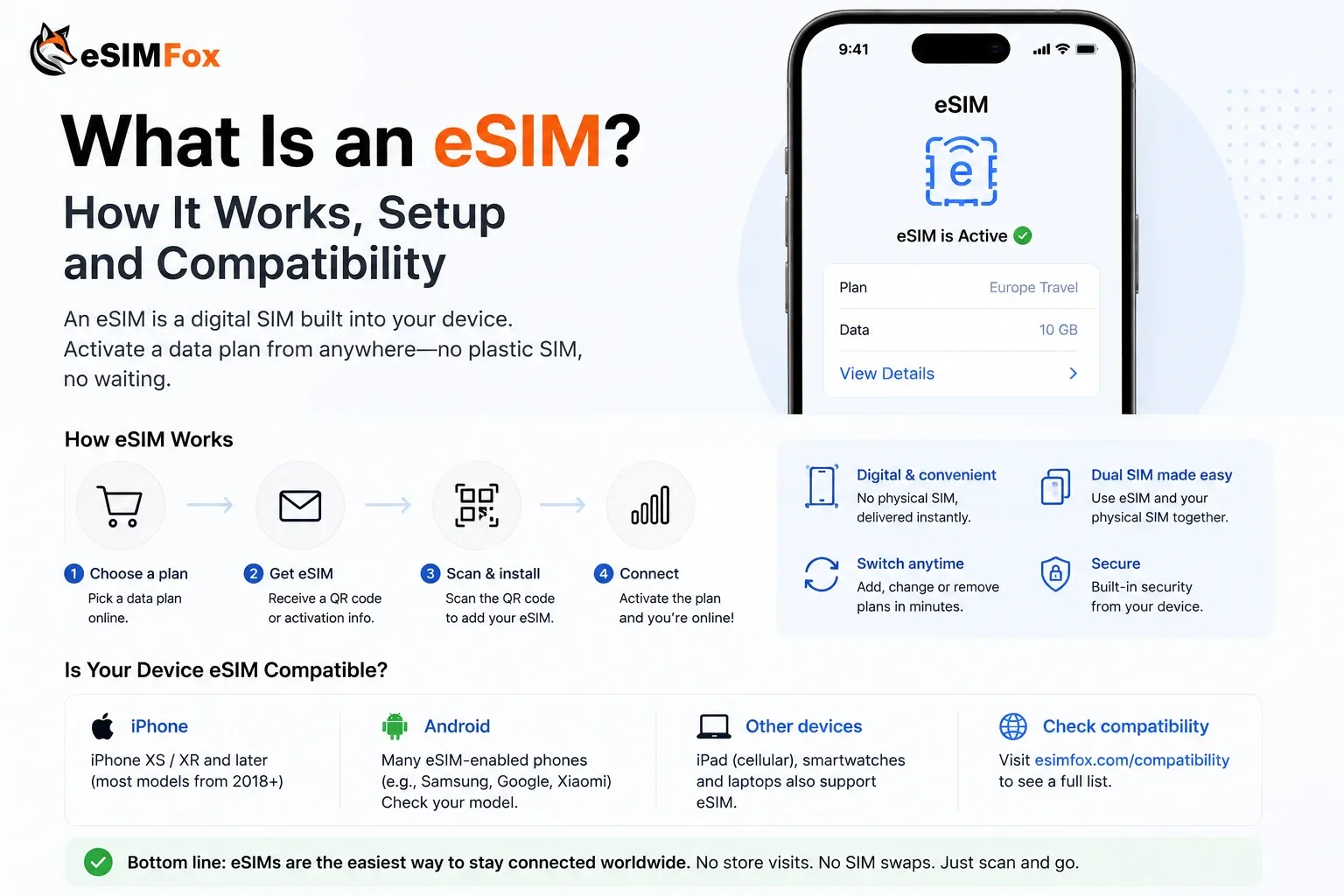
- What is eSIM — the basics of eSIM technology, how it works, and why it is better than a physical SIM for travel.
- eSIM not working — troubleshooting steps for common eSIM activation issues, network selection problems, and APN errors.
Frequently Asked Questions
Is eSIM available in India?
What is the best eSIM for India in 2026?
How much data do I need for India?
Can I use hotspot with an eSIM in India?
Should I buy an eSIM before traveling to India?
Will my US/UK/AU carrier eSIM work in India?
What is cheaper in India: eSIM, local SIM, or roaming?
Do eSIM plans for India include calls and SMS?
Does eSIM work at Indira Gandhi International or Chhatrapati Shivaji International?
Which mobile networks are best in India?
Can I keep using WhatsApp, Uber, or my normal number with a travel eSIM?
What should I do if my India eSIM has no service?
Stay connected on your next trip
Browse eSIM plans for 200+ destinations and activate in 60 seconds.